
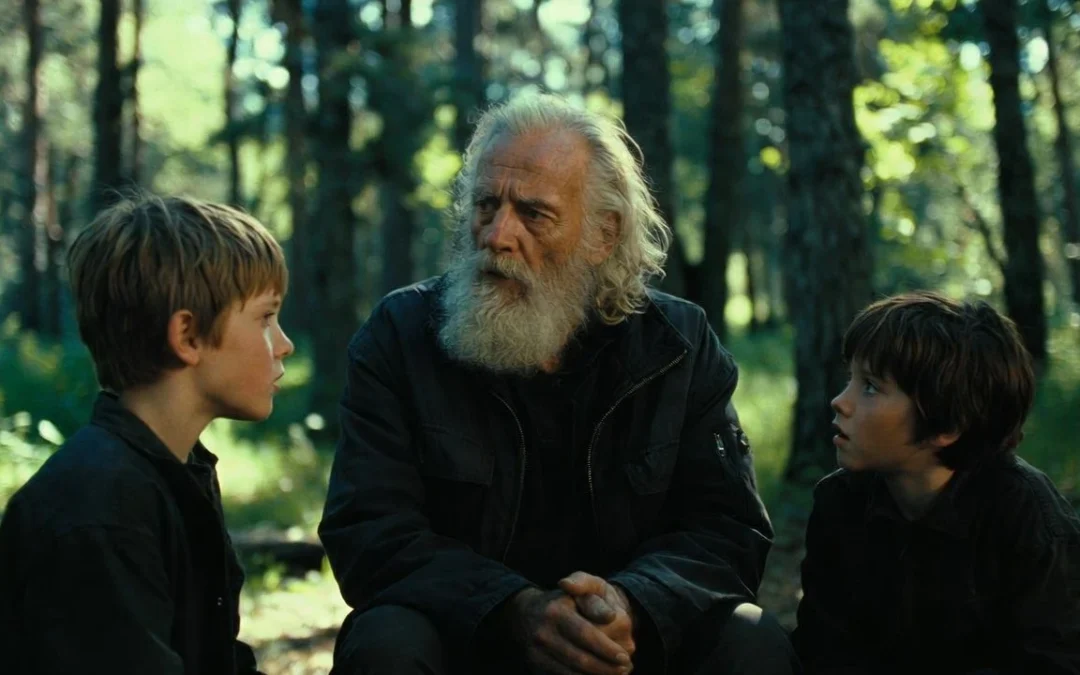
Stories shape how people understand ideas – but not all stories are the same. One of the most common and useful forms is the anecdote: a short, focused story that captures a single moment to make a point clearer or more memorable. You encounter anecdotes constantly – in articles, classrooms, speeches, and everyday conversations – often without realizing it.
In this article, you’ll find 40 powerful anecdote examples that show exactly what an anecdote is and how it works. Each example is intentionally brief and concrete, designed to illustrate an idea rather than argue or prove one. Along the way, you’ll also learn why anecdotes are so effective, how they’re commonly misused, and how to recognize strong anecdotes from weak ones.
If you’ve ever wondered what makes a short story stick – or how writers use anecdotes to make ideas feel real – you’re in the right place.
What Is an Anecdote?
An anecdote is a short, simple story about a real event or experience. It usually focuses on one moment and is told to explain an idea, give an example, or make something easier to understand. Anecdotes are not meant to prove something is true – they are meant to illustrate a point through a personal or specific example.
Powerful Examples of Anecdote
1. Hidden Talent
A teacher once noticed that a quiet student spent more time drawing in the margins of tests than answering questions. Years later, that same student became a professional illustrator.
This anecdote shows how small observations can reveal long-term talent.
2. Skipping Practice
A runner decided to skip training for just one day before a big race. During the event, they stumbled and finished last instead of first.
This short story illustrates how small choices can have immediate consequences.
3. Learning the Hard Way
A child touched a hot stove once and never needed another warning about heat.
This anecdote shows how direct experience can teach faster than words.
4. Seatbelt Reality
A man used to laugh at seatbelt laws. Then one day, he survived a serious car crash unharmed while his car was destroyed.
This anecdote makes the value of safety rules real through one event.
5. Failure That Helped
A student failed a math test and decided to carefully review every mistake. From that point on, they passed every exam.
This anecdote shows how failure can become a turning point.
6. A Simple Smile
A cashier smiled at a frustrated customer during a long checkout line. The customer later returned just to say thank you.
This anecdote highlights the impact of small acts of kindness.
7. Caught in the Rain
A woman forgot her umbrella one morning and was soaked by unexpected rain. Since then, she checks the weather forecast every day.
This anecdote shows how one experience can change habits.
8. Small Practice, Big Result
A kid practiced piano for only ten minutes a day. Months later, they surprised everyone by winning a small recital.
This anecdote illustrates the power of consistent effort.
9. Waiting by the Door
One evening, a dog’s owner came home late. After that, the dog waited by the door every night at the same time.
This anecdote shows how animals learn from single experiences.
10. Notes Left Behind
A speaker forgot their notes before a presentation and decided to tell a personal story instead. It earned the loudest applause of the night.
This anecdote shows how authenticity can outperform preparation.
11. Lost Allowance
A boy saved his allowance for months, then lost it all in one mistake. After that, he never stopped keeping careful track of his money.
This anecdote demonstrates how loss can teach responsibility.
12. Phone Distraction
A driver checked their phone at a red light, didn’t notice it turn green, and caused traffic to back up behind them.
This anecdote illustrates how brief distractions add up quickly.
13. Standing Up
A girl stood up for a classmate who was being teased. Years later, they were still close friends.
This anecdote shows how courage can build lasting relationships.
14. Ignoring the Warning
A farmer ignored weather warnings once and lost an entire crop to a sudden storm.
This anecdote shows the cost of ignoring expert advice.
15. The “Stupid” Question
A student nervously asked what they thought was a stupid question. Half the class admitted they were confused too.
This anecdote shows how speaking up can help others.
16. No Directions Needed
A man bragged that he never needed directions – until he got lost for three hours on a simple trip.
This anecdote highlights the gap between confidence and reality.
17. Sharing Lunch
A child shared their lunch with a classmate who had forgotten theirs. Years later, that small act was still remembered.
This anecdote shows how kindness can leave a long impression.
18. Showing Up Early
A worker arrived early every day for a month without being asked. Soon after, they were trusted with more responsibility.
This anecdote illustrates how behavior builds reputation.
19. Multitasking Mistake
A person tried to cook dinner while answering messages and watching TV. The food burned completely.
This anecdote shows how divided attention leads to poor results.
20. Facing Fear Once
A shy student volunteered to present just one time. They realized public speaking wasn’t as terrifying as they imagined.
This anecdote shows how one action can change a belief
21. The Helmet Lesson
A cyclist refused to wear a helmet, insisting it wasn’t necessary. One fall changed their mind forever.
This anecdote shows how a single experience can instantly overturn a belief.
22. A Week Offline
A woman deleted social media for just one week. She slept better than she had in years.
This anecdote illustrates how removing one habit can reveal its hidden effects.
23. The Lie That Lingered
A kid lied about finishing homework once and spent the entire day anxious about being caught.
This anecdote shows how dishonesty often creates more stress than truth.
24. Helping Without Being Asked
A man stayed late to help a coworker finish a project. Months later, that coworker wrote him a strong recommendation.
This anecdote shows how generosity can pay off later in unexpected ways.
25. Skipping the Instructions
A student rushed through an assignment without reading the instructions and failed a task that was actually easy.
This anecdote illustrates how ignoring details can cause avoidable mistakes.
26. One Seed
A child planted a single seed and watched it grow slowly over weeks. For the first time, they understood patience.
This anecdote shows how simple experiences can teach abstract ideas.
27. One Local Phrase
A traveler learned just one phrase in the local language. Suddenly, strangers smiled more and treated them warmly.
This anecdote shows how small efforts can change how people respond.
28. Practice After School
A girl stayed after school to practice free throws alone. Months later, she made the winning shot in a game.
This anecdote illustrates how quiet preparation leads to visible results.
29. Ignoring the Toothache
A boy ignored a small toothache, assuming it would go away. It didn’t – and he later needed major dental work.
This anecdote shows how neglecting small problems can make them worse.
30. Just Listening
A friend made a habit of listening without interrupting. Over time, they became the person everyone trusted.
This anecdote shows how behavior builds reputation.
31. One Short Walk
A person complained constantly about exercise. Then one short walk lifted their mood enough to change their attitude.
This anecdote illustrates how small actions can shift perspective.
32. Harsh Feedback
A student rewrote an essay after receiving tough criticism. The final version earned their best grade ever.
This anecdote shows how feedback can be useful, even when it’s uncomfortable.
33. A Broken Toy
A kid broke a favorite toy once and suddenly understood how fragile things can be.
This anecdote shows how loss can create awareness.
34. Owning the Mistake
A manager admitted a mistake in front of the entire team. Instead of losing respect, they gained more.
This anecdote illustrates how honesty can strengthen leadership.
35. Helping a Neighbor
A teenager helped a neighbor carry groceries without expecting anything. Weeks later, they were offered a summer job.
This anecdote shows how kindness can open doors.
36. All-Night Studying
A student crammed all night for a test and remembered almost nothing the next day.
This anecdote shows the limits of last-minute effort.
37. Trying Alone
A child tried to solve a problem alone, failed repeatedly, and finally asked for help. That’s when it worked.
This anecdote illustrates the value of asking for support.
38. Opening with a Mistake
A speaker began a talk by admitting a personal mistake. The audience connected immediately.
This anecdote shows how vulnerability builds trust.
39. Missing the Alarm
A person ignored their alarm once and missed an important opportunity they couldn’t get back.
This anecdote shows how small moments can have lasting effects.
40. One Story That Stuck
A teacher shared a single personal story during a lesson. Years later, students still remembered the point it made.
This anecdote shows how stories make ideas memorable.
The most famous anecdote in the world
The apple falling on Isaac Newton’s head.
The story goes like this: Newton was sitting under an apple tree when an apple fell, and that moment sparked his thinking about gravity.
Why this anecdote is so famous:
-
It’s extremely simple
-
It explains a huge idea (gravity) through a tiny moment
-
It’s easy to remember and retell
-
It’s taught worldwide in schools, books, and media
Whether or not the apple actually hit his head doesn’t matter. The anecdote survives because it illustrates how observation can lead to discovery. That’s exactly what anecdotes do best.
Other globally famous anecdotes
-
Archimedes shouting “Eureka!” in a bath
A short story used to explain sudden insight and discovery. -
Alexander Fleming noticing mold kill bacteria
A simple observation that illustrates accidental discovery (penicillin). -
George Washington and the cherry tree
A moral anecdote about honesty (likely fictional, but culturally powerful).
Notice something important:
All of these anecdotes are famous not because they are proven facts, but because they compress a complex idea into a single, memorable moment.
That’s the essence of an anecdote.
When and Why Anecdotes Are So Effective
Anecdotes work because the human brain is wired to remember specific moments, not abstract explanations. A short, concrete story creates a mental picture, and that picture sticks. This is why anecdotes are widely used in writing, teaching, public speaking, journalism, and everyday conversation.
An anecdote is especially effective when:
- You want to illustrate an idea, not prove it
- You need to make something relatable
- You want the reader to feel the meaning, not just understand it intellectually
For example, explaining that “practice leads to improvement” is informative. Sharing a short story about someone practicing quietly for months and succeeding later makes the idea real. The anecdote gives the concept weight without turning it into an argument.
That said, anecdotes are tools, not evidence. They show what can happen, not what always happens. Strong writers use anecdotes to clarify and engage, then support their points with logic, data, or explanation when accuracy matters.
In short, anecdotes are powerful because they translate ideas into experience.
Common Mistakes People Make With Anecdotes
Despite their usefulness, anecdotes are often misunderstood or misused. Knowing these mistakes helps you recognize weak anecdotes – and write stronger ones.
Mistake #1: Treating anecdotes as proof
An anecdote is not data. One person’s experience does not establish a general rule. When anecdotes are used as evidence, they can mislead instead of inform.
Mistake #2: Making the story too long
Anecdotes are brief by nature. If the story wanders, adds unnecessary details, or loses focus, it stops being an anecdote and becomes a narrative. The best anecdotes center on *one moment and one takeaway*.
Mistake #3: Missing the point
Every effective anecdote has a clear reason for being told. If the reader can’t easily see what the story illustrates, the anecdote fails its purpose.
Mistake #4: Confusing anecdotes with opinions
An anecdote describes something that happened. An opinion explains what someone thinks. Mixing the two weakens clarity and reduces impact.
Used correctly, anecdotes sharpen communication. Used poorly, they distract, confuse, or oversimplify. The difference lies in precision, relevance, and restraint.
Read also
The Most Popular on BitGlint

30 Focus Examples & How to Improve Concentration
Focus is one of the most important skills in life. Whether you're working, studying, playing sports, or even having a...

20 Political Theories: List & Explanation
Political theory helps us make sense of how power works. It gives us the words to ask hard questions - like who should...

30 Surrogacy Examples & Meaning
Surrogacy has quietly reshaped how millions of people around the world build families. Whether driven by medical...

20 Easy Sustainable Living Tips for Busy Professionals
Living sustainably can be a challenge, especially for busy professionals who often have limited time and resources....

30 Benefits of Studying Philosophy
Studying philosophy is more than an academic pursuit; it's a journey into the depths of understanding, critical...

TOP 20 Benefits of Organic Gardening
Organic gardening is becoming increasingly popular around the world. With a growing focus on sustainability and...

20 The Most Important Interpersonal Skills
In this article we will focus on the 20 most important interpersonal skills, including active listening, empathy,...
Get Inspired with BitGlint
The Latest
Top 50 Essential Train Travel Tips
Train travel is one of the most enjoyable and fascinating ways to explore a new destination. From scenic routes to cultural experiences, traveling by train allows you to see the world from a unique perspective. However, train travel can be overwhelming, especially for...
30 Circumcision Examples & Definition
Circumcision is one of the most widely practiced and discussed surgical procedures in the world — yet many people still have questions about what it actually involves, why it is performed, and what it looks like across different contexts. Whether you are exploring...
100+ Superstitions Examples, Types, and Meanings
Superstitions have been around for thousands of years. Even in today’s modern world, many people still follow them — often without even realizing it. From tossing salt over your shoulder to checking the clock at 11:11, superstitions are still part of everyday life....
100 Non-Digital Things List
In everyday life, there are still hundreds of objects, tools, and materials that exist completely outside the digital world. These things don’t rely on apps, batteries, software, or code. They work the way they always have — by touch, by movement, by presence. Some...